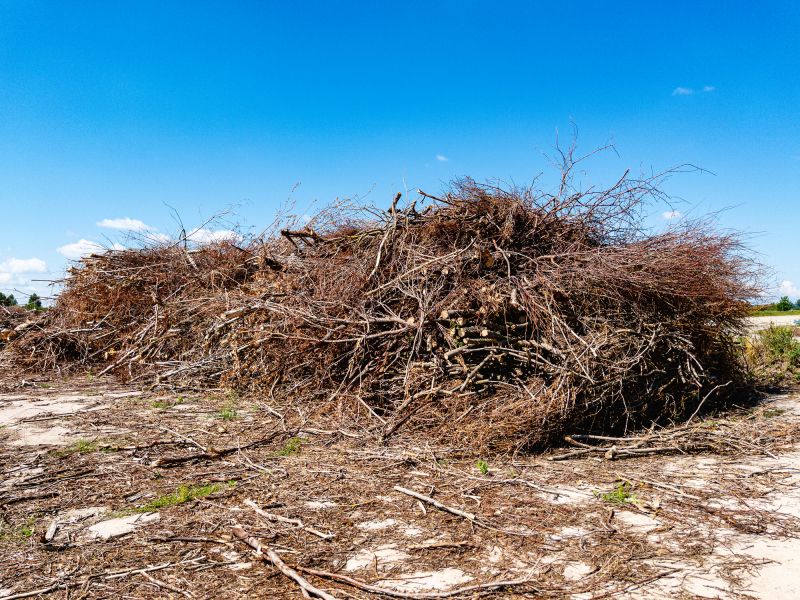
Tree Debris Removal in Honolulu, HI
Tree debris removal services involve clearing away fallen branches, leaves, and other remnants after storms, pruning, or general yard maintenance. This service covers projects such as cleaning up after storms, removing dead or broken branches, and tidying up yard waste to improve the appearance and safety of a property. Homeowners typically want to understand what types of debris are included, how the cleanup process is managed, and whether the service can handle large or hazardous branch removal to ensure their outdoor space remains safe and attractive.
Before requesting tree debris removal, property owners should consider the extent of debris present and whether any hazardous or hard-to-reach branches need special equipment or safety precautions. It’s also helpful to clarify if the service includes hauling away all debris or if any disposal options are available. Understanding the scope of work and what is included can help ensure the project meets expectations and keeps outdoor spaces clean and well-maintained.
Many property owners in Honolulu, HI look into Tree Debris Removal for repairs, replacements, upgrades, and appearance-related improvements.
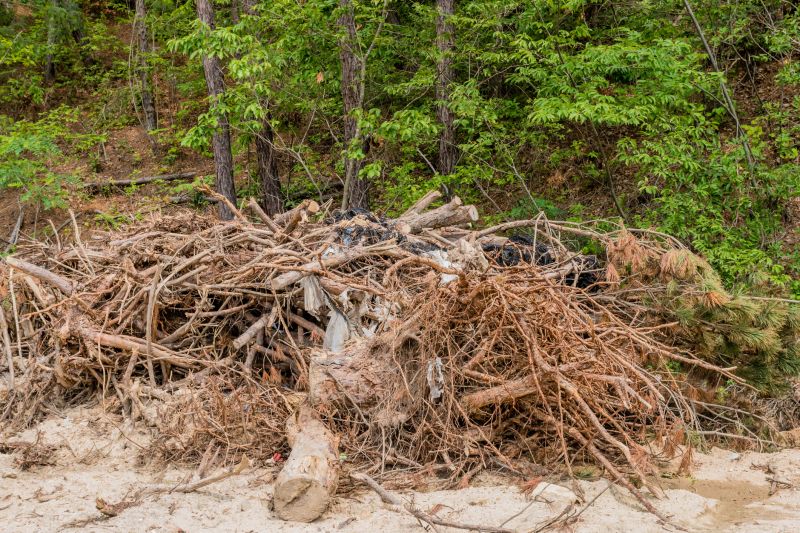
Yard Cleanup And Debris Removal
Removing fallen branches and tree debris helps maintain a tidy and safe outdoor space.
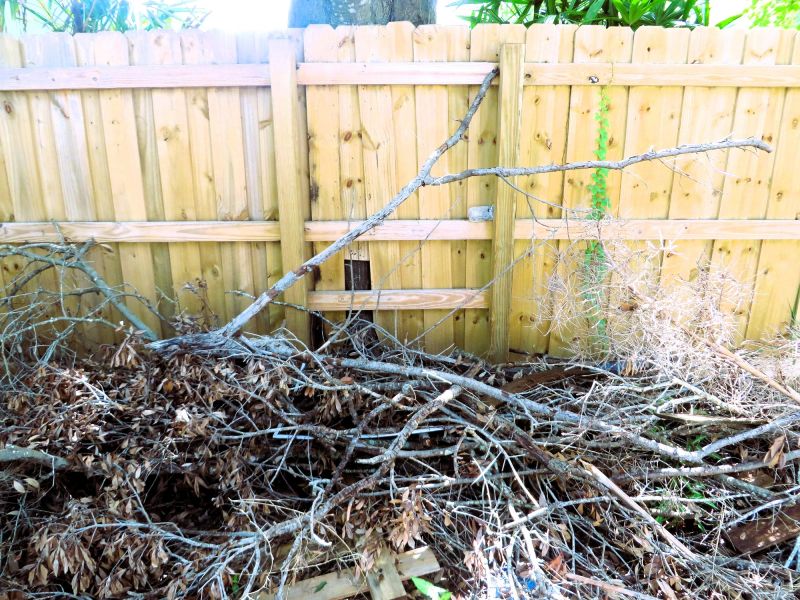
Storm Damage Cleanup
Clearing storm-related tree debris restores accessibility and prevents property damage.
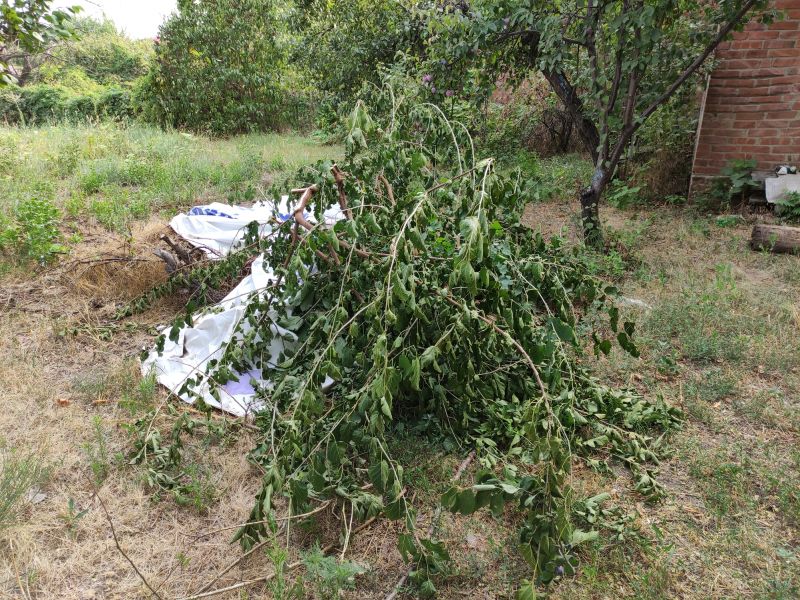
Property Maintenance Support
Regular removal of tree debris keeps landscapes looking neat and prevents pest issues.
Tree Debris Removal in Honolulu, HI
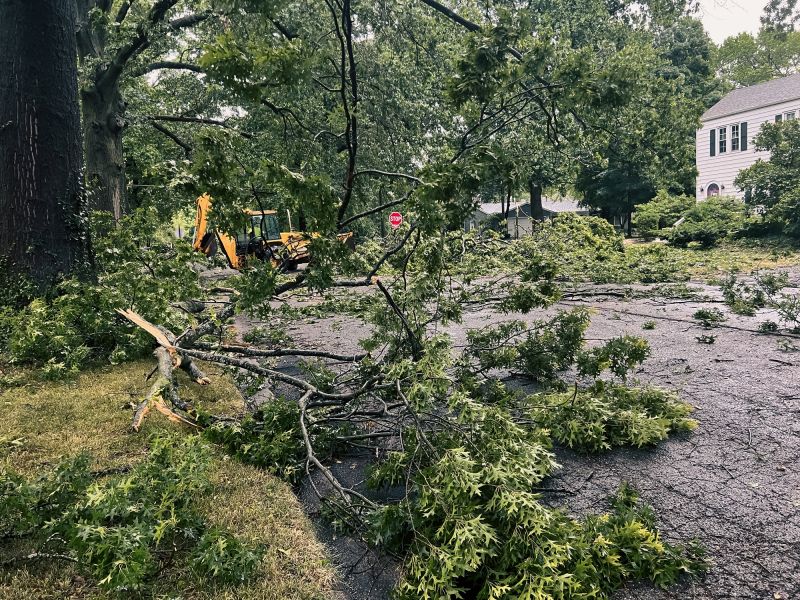
Tree debris removal services involve clearing away fallen branches, leaves, and other remnants after storms, pruning, or general yard maintenance. This service covers projects such as cleaning up after storms, removing dead or broken branches, and tidying up yard waste to improve the appearance and safety of a property. Homeowners typically want to understand what types of debris are included, how the cleanup process is managed, and whether the service can handle large or hazardous branch removal to ensure their outdoor space remains safe and attractive.
Before requesting tree debris removal, property owners should consider the extent of debris present and whether any hazardous or hard-to-reach branches need special equipment or safety precautions. It’s also helpful to clarify if the service includes hauling away all debris or if any disposal options are available. Understanding the scope of work and what is included can help ensure the project meets expectations and keeps outdoor spaces clean and well-maintained.
Many property owners in Honolulu, HI look into Tree Debris Removal for repairs, replacements, upgrades, and appearance-related improvements.
Common Tree Debris Removal Jobs
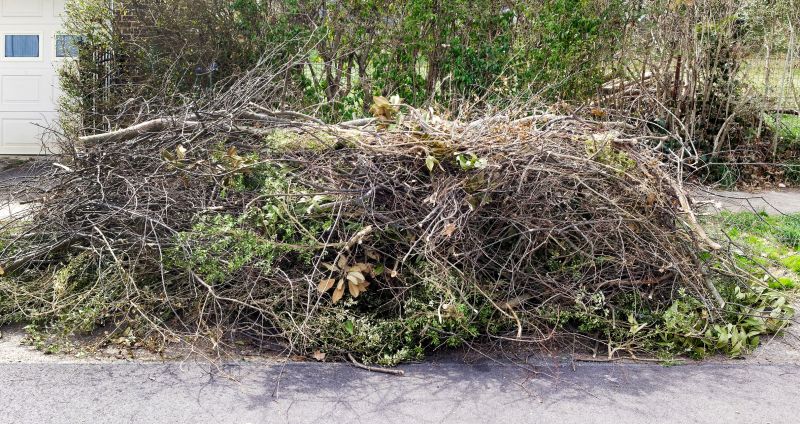
Tree debris removal services help clear fallen branches and leaves from yards and driveways.
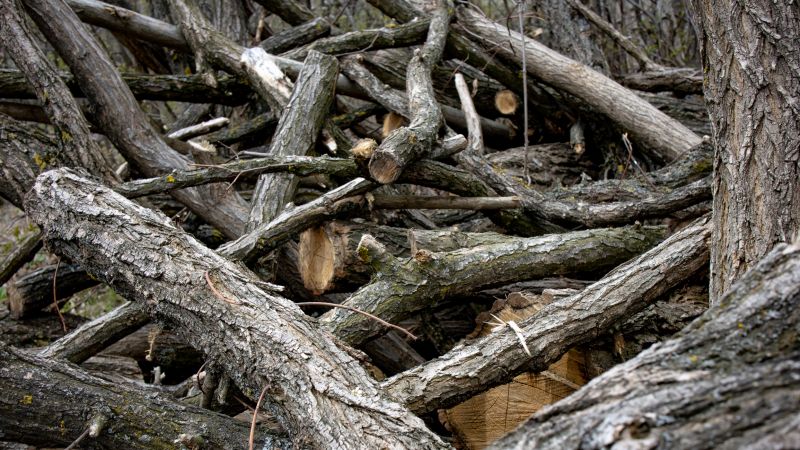
They assist in removing storm-damaged or dead tree material to prevent hazards.
Services include gathering, hauling, and proper disposal of yard debris.
Tree debris removal can improve curb appeal and reduce pest attractants.
Regular debris cleanup supports healthy landscape maintenance and safety.
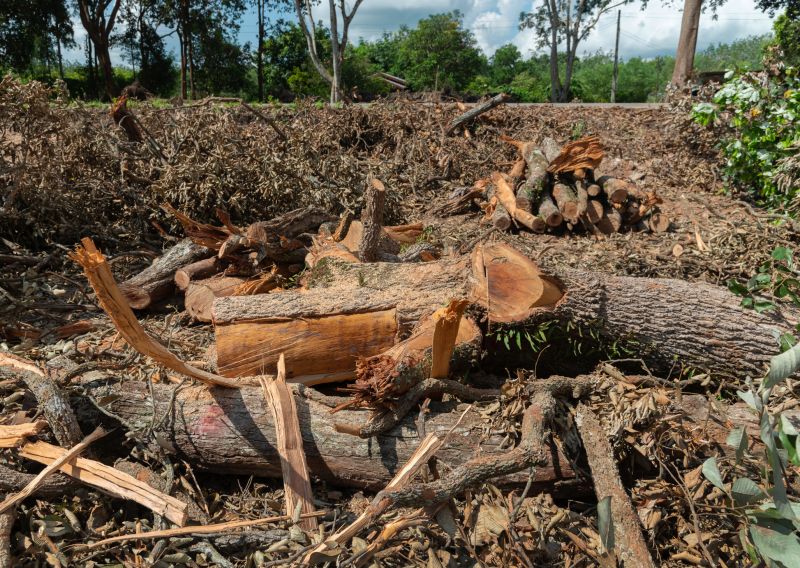
Professional removal helps manage large or hard-to-reach tree waste efficiently.
Tree Debris Removal Questions
What types of tree debris removal services are available? Services include clearing fallen branches, pruning and trimming loose limbs, and removing storm-damaged trees or debris from the property.
Why should property owners consider tree debris removal? It helps maintain safety by preventing hazards, improves landscape appearance, and prepares the area for future planting or development.
Is tree debris removal suitable for large or hazardous trees? Yes, specialized equipment and techniques are used to safely remove debris from large or unstable trees.
What should homeowners do before debris removal? Clear pathways and remove valuable or delicate items from the work area to ensure safe and efficient service.
Request Tree Debris Removal in Honolulu, HI
Use the quote form on this page to share the basics of your project and request more information for the type of work you need.